Introduction: The Foundation of Every Great Gathering
When it comes to orchestrating an unforgettable event—be it a wedding, gala, corporate retreat, or milestone celebration—few elements are as crucial as the venue. The choice of setting does more than simply provide a physical location; it defines the ambiance, shapes the guest experience, and underpins the event’s entire aesthetic and emotional resonance. A thoughtfully chosen venue has the power to elevate even the most modest gathering into something truly extraordinary.
Why Venue Matters: More Than Just a Backdrop
Contrary to popular belief, a venue is not just the canvas upon which an event unfolds—it is an active character in the story. It speaks to the event’s purpose, reflects the host’s personality, and directly influences everything from lighting and sound quality to food service and guest interaction.
Key reasons why venue selection is paramount:
-
First Impressions: The venue sets the tone the moment guests arrive.
-
Functionality: Layout, acoustics, and accessibility impact how smoothly the event flows.
-
Aesthetic Value: Architecture, décor, and location contribute to the visual and emotional appeal.
-
Logistics: Proximity, parking, and amenities affect convenience for both guests and organizers.
Whether your event is intimate or extravagant, formal or casual, choosing the right venue is foundational to its success.
Types of Venues: Exploring the Options
Today’s event hosts are spoiled for choice. From traditional halls to unconventional spaces, the range of venue types caters to virtually every taste, budget, and event style.
Popular categories include:
-
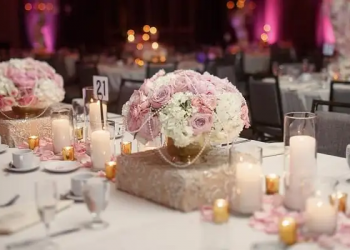
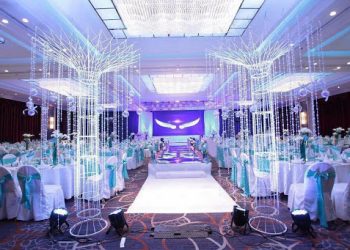
Banquet Halls and Hotels: Reliable, well-equipped, and ideal for larger gatherings. These venues often offer turnkey packages that include catering, décor, and staff.
-
Historic Buildings and Estates: Offer timeless charm and a sense of gravitas. Perfect for weddings, upscale dinners, and art-forward events.
-
Outdoor Gardens and Vineyards: Ideal for romantic and rustic settings. These spaces offer natural beauty, though they require weather contingencies.
-
Industrial Warehouses and Lofts: Blank slates for creativity, often favored for modern, urban events with edgy flair.
-
Beachfront and Waterfront Spaces: Infuse the event with serenity and openness. They work beautifully for destination weddings and laid-back soirées.
-
Private Homes and Villas: For an exclusive, personal touch. Often used for intimate gatherings and luxury experiences.
-
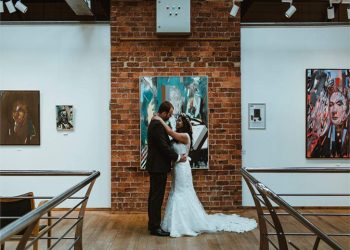
Museums, Galleries, and Cultural Centers: Unique and sophisticated, these spaces appeal to those seeking an artistic or educational backdrop.
Each type of venue has its own advantages, and the best choice depends entirely on the nature of the event, the vision of the host, and the needs of the guests.
Factors to Consider When Choosing a Venue
While aesthetics play a vital role, the decision should ultimately be guided by a comprehensive set of practical and stylistic criteria.
Consider these key factors:
-
Capacity: Ensure the venue can comfortably accommodate your guest list, with room for dining, dancing, and mingling.
-
Location: Aim for convenience. Venues close to public transport or lodging are ideal for out-of-town guests.
-
Cost and Packages: Analyze what’s included—some venues bundle catering, décor, and furniture rentals into one price, while others are space-only.
-
Ambiance and Style: Does the space align with your theme? A modern space won’t complement a vintage vision, and vice versa.
-
Accessibility: Consider guests with mobility issues. Elevators, ramps, and accessible restrooms are essential.
-
Acoustics and Lighting: Poor acoustics or dim lighting can dampen even the best-planned event.
-
Availability and Flexibility: Prime dates can book months or even years in advance. Check cancellation policies and flexibility regarding vendors and scheduling.
A venue may appear perfect on the surface, but a deeper evaluation often reveals whether it’s truly the right fit.
The Role of Venue in Event Design
Designing an event begins the moment a venue is chosen. It influences the color scheme, the layout of the space, the floral arrangements, and even the attire of the guests. Rather than fighting against a venue’s natural features, savvy hosts and planners work with them.
How venue shapes design decisions:
-
Architecture and Décor: High ceilings, exposed brick, or ornate moldings can inspire everything from table settings to invitation fonts.
-
Natural Surroundings: Outdoor venues benefit from seasonal flowers, landscape lighting, and open-air furnishings.
-
Color Palette: The tones of the space should harmonize with the event’s chosen palette—whether that’s soft pastels or bold jewel tones.
A well-integrated venue design ensures that every element feels cohesive and intentional.
The Rise of Non-Traditional Venues
In recent years, hosts have begun to move away from cookie-cutter venues in favor of settings that tell a story or spark conversation. A greenhouse in the countryside, a rooftop bar in the city, a library with antique charm—these unconventional choices breathe fresh life into event planning.
Benefits of non-traditional venues include:
-
Memorability: Unique venues are often the most talked-about.
-
Creative Freedom: Less rigid packages mean more room for personalization.
-
Emotional Resonance: Spaces with personal or cultural significance add depth to the occasion.
While they often require more legwork in terms of logistics and vendor coordination, the reward is a truly one-of-a-kind experience.
Venue Etiquette and Best Practices
Respecting the venue and maintaining professionalism are crucial during the planning process and on the day of the event.
Essential best practices:
-
Confirm all vendor guidelines early.
-
Conduct a detailed site visit before signing contracts.
-
Establish clear communication with the venue coordinator.
-
Be mindful of time limits and noise ordinances.
-
Ensure a thorough cleanup plan post-event.
Proper etiquette not only preserves the space but also builds lasting relationships with venue managers—useful for future events.
Conclusion: The Art of the Perfect Setting
Choosing the right venue is more than a logistical checkbox; it is an artistic decision that echoes through every detail of an event. It can inspire awe, foster connection, and leave a lasting impression that endures long after the lights dim and the last guest departs. The ideal venue is one that doesn’t overshadow the event but amplifies its purpose and personality.
In a world of infinite choices and evolving styles, one truth remains: the venue is the stage on which memories are made. Choose wisely, and your event will not just be attended—it will be remembered.