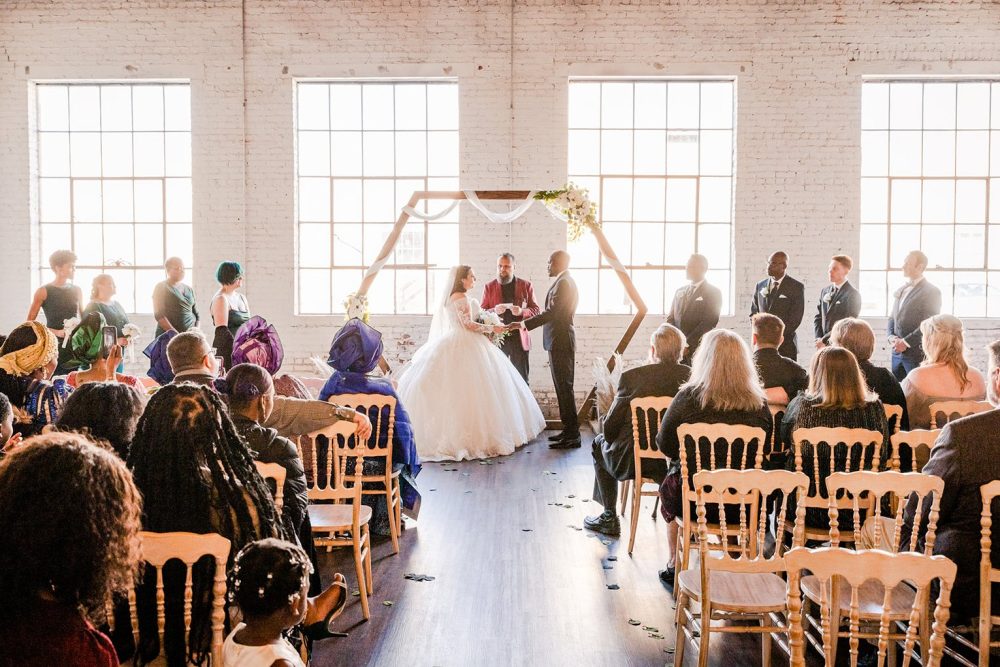
Introduction: More Than a Ceremony
A wedding is not merely a ceremony or a social gathering—it is the crystallization of love, the beginning of a lifelong promise, and a moment steeped in tradition, emotion, and aspiration. Across cultures and eras, weddings have served as milestones in human life, imbued with meaning far deeper than mere celebration. They capture the essence of union, of forging two lives into one shared narrative. With elegance, joy, and a hint of reverence, a wedding marks the convergence of dreams, heritage, and hope for the future.
The Heart of the Celebration: Symbolism and Sentiment
Weddings, regardless of their cultural context or scale, carry rich symbolism. Each element—from the exchange of rings to the spoken vows—echoes deeper values and intentions.
Core symbols commonly seen in weddings include:
-
The Wedding Ring: Circular and unending, symbolizing eternity and unity.
-
The Vows: Spoken promises that articulate love, loyalty, and mutual respect.
-
The White Dress: Traditionally represents purity and new beginnings.
-
The Processional and Recessional: Represent the transition from individual lives into a shared future.
These elements, while often traditional, are increasingly tailored to reflect the couple’s personal story and values, allowing modern weddings to blend meaningful customs with fresh, individual expression.
Planning a Wedding: The Harmony of Detail and Vision
Behind the enchanting glow of a wedding lies a significant amount of meticulous planning. The modern wedding can take many forms—from a minimalist courthouse affair to a lavish multi-day destination event. Yet, at the heart of every successful wedding is harmony: a seamless orchestration of detail and vision.
Key components of wedding planning include:
-
Venue Selection: From rustic barns to grand ballrooms, the venue sets the stage for ambiance and atmosphere.
-
Guest List Curation: A careful balance of intimacy and inclusivity, shaped by relationships and logistics.
-
Catering and Cuisine: Menus now reflect global tastes, dietary preferences, and the couple’s personality.
-
Design and Decor: Color palettes, floral arrangements, and lighting craft a visual story that enhances the experience.
-
Music and Entertainment: Whether a string quartet or a DJ, music punctuates each emotional beat of the day.
-
Photography and Videography: These capture fleeting glances, joyful tears, and celebratory toasts to preserve for a lifetime.
The magic of a wedding is as much in the planning as in the spontaneity of the day itself—a dance between structure and serendipity.
The Evolution of Weddings: Tradition Meets Modernity
Weddings have evolved remarkably over the decades. While some traditions endure, others have been lovingly reshaped to reflect changing values and inclusivity.
Trends and transformations in modern weddings include:
-
Personalized Ceremonies: Couples are writing their own vows, involving pets, or incorporating cultural rituals from both families.
-
Sustainability Focus: Eco-friendly weddings are on the rise, featuring local flowers, digital invitations, and zero-waste catering.
-
Non-traditional Roles: Bridal parties now include mixed genders, and couples often walk down the aisle together.
-
Technology Integration: Livestreaming for distant guests, digital RSVP systems, and AI-powered planning tools are becoming mainstream.
-
Celebrating Love in All Forms: Same-sex marriages and intercultural unions are celebrated with dignity and pride, reflecting a more inclusive world.
In this evolution, weddings have become more than tradition—they have become canvases for authenticity.
Emotional Landscape: The Power of Connection
Amid the logistics and aesthetics lies the emotional core of a wedding. It is a day not only for the couple but also for families, friends, and communities to share in the joy of union. The moment a parent gives away their child, the cheers that follow a first kiss, the heartfelt speeches—all serve to affirm the importance of connection and commitment.
Weddings also provide space for reflection: on what it means to love, to support, and to grow with another human being. The ceremony becomes a mirror in which everyone present sees a part of their own journey—past, present, or future.
Cultural Diversity: A Tapestry of Traditions
The global landscape of weddings is rich and varied, each culture offering a unique way to celebrate union and love.
-
Indian Weddings: Often spanning several days, featuring vibrant attire, ceremonial rituals, and intricate henna designs.
-
Japanese Weddings: A blend of Shinto tradition and Western customs, with symbolic offerings and serene aesthetics.
-
African Weddings: Known for their bold patterns, communal dances, and deep-rooted ancestral respect.
-
Western Weddings: Typically involve a formal ceremony, a reception with dancing, and time-honored expressions like “something old, something new.”
Each tradition adds depth to the universal experience of marriage, showing that while expressions may differ, the core sentiment remains universally human.
After the Wedding: Building the Marriage
While a wedding may last a day, a marriage is a journey. What follows is often less visible but more profound: the daily acts of kindness, resilience, and partnership that sustain love through time. A successful marriage demands the same intentionality as a well-planned wedding—but with even greater heart.
Principles that guide a strong marriage:
-
Communication: Honest dialogue fosters trust and mutual understanding.
-
Empathy: Understanding each other’s emotional world strengthens the bond.
-
Shared Goals: Building a life with aligned values creates long-term harmony.
-
Adaptability: The willingness to grow together through life’s changes.
A wedding, then, is not the destination—it is the gateway to a shared life, enriched by both joy and challenge.
Conclusion: A Celebration of Love and Hope
A wedding is many things—romantic, ceremonial, joyful—but above all, it is hopeful. It stands as a radiant affirmation that love, in all its complexity and courage, is worth committing to. Whether whispered in an intimate gathering or proclaimed in a grand celebration, the words “I do” continue to echo as one of the most powerful expressions of human connection.
In a world that constantly changes, the wedding endures—not as a rigid institution, but as a celebration of love’s infinite potential.