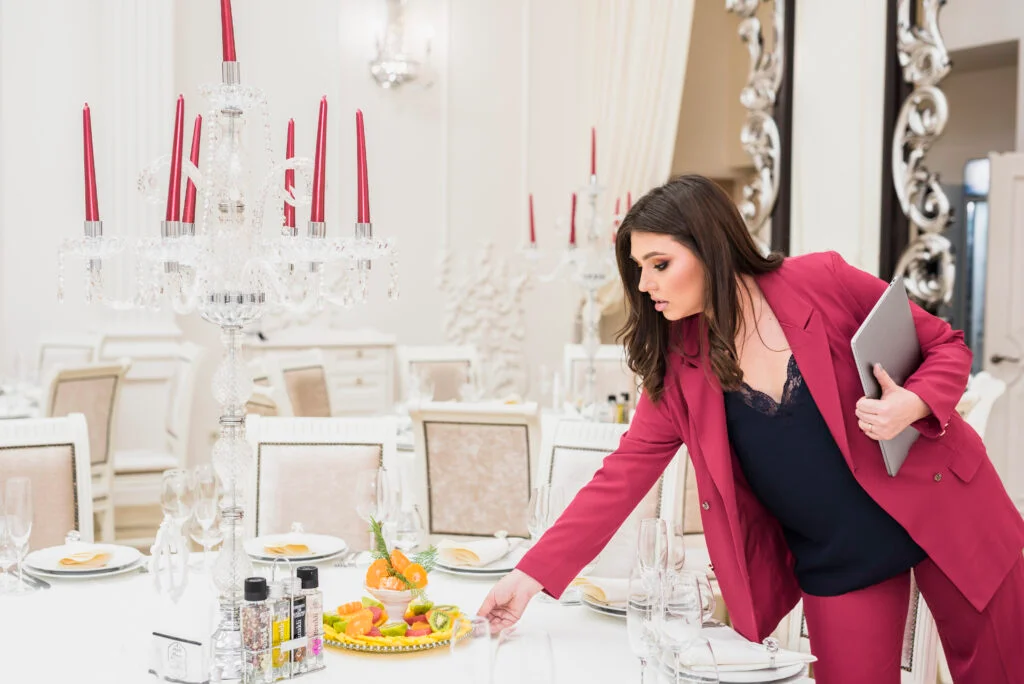
Every season possesses a distinct atmospheric quality, a unique color palette, and a specific set of logistical opportunities and challenges. Choosing the right time of year to tie the knot dictates almost every subsequent planning decision, from the floral selections and menu design to the attire and venue choice.
To help couples navigate the complexities of calendar-based event design, professional wedding planners have shared their collective expertise. This comprehensive guide breaks down the essential considerations for spring, summer, autumn, and winter weddings, offering actionable insights to ensure your celebration is both breathtaking and seamlessly executed.
Spring Weddings: The Season of Renewal and Delicate Palettes
Spring is traditionally associated with rebirth, fresh beginnings, and a sense of romance. As the landscape awakens, couples are presented with a wealth of floral options and a naturally vibrant backdrop. However, the transitional nature of spring weather requires careful planning.
The Floral Abundance
Planners universally agree that spring offers the most spectacular floral varieties. Peonies, ranunculus, tulips, sweet peas, and lilacs are at their peak. Utilizing in-season blooms not only ensures the highest quality and freshness but also helps optimize the floral budget.
Weather Contingencies
While spring offers mild temperatures, it is notoriously unpredictable. April showers are a literal reality in many regions.
-
The Golden Rule: If you are planning an outdoor spring ceremony, a tent reservation or a viable indoor backup space is non-negotiable.
-
Guest Comfort: Spring evenings can drop in temperature quickly. Planners recommend providing light wraps, pashminas, or portable patio heaters to keep guests comfortable during an outdoor cocktail hour.
Color Theory and Textures
Spring palettes traditionally lean toward soft pastels, dusty blues, sage greens, and creamy neutrals. To keep the design modern, contemporary planners suggest grounding these delicate shades with deeper accents, such as charcoal gray, rich navy, or metallic gold trim.
Summer Weddings: Sun-Drenched Celebrations and High-Energy Receptions
Summer remains the most popular time of year to wed, offering long daylight hours, warm weather, and a generally relaxed, vacation-like energy. Yet, the peak of summer demands rigorous logistical management to combat heat, humidity, and sudden storms.
Managing the Elements
The greatest adversary of a summer wedding is extreme heat. Professional planners emphasize that guest comfort must take priority over aesthetics.
-
Hydration Stations: Set up infused water, iced tea, or lemonade stations for guests to enjoy prior to the ceremony.
-
Timing the Day: Avoid hosting outdoor ceremonies during the peak heat hours of 12:00 PM to 3:00 PM. Opt for a late afternoon or early evening ceremony when the sun is lower and the light is optimal for photography.
-
Menu Adjustments: Heavy, rich foods do not fare well in the summer heat. Work with your caterer to design a refreshing menu featuring crisp salads, chilled seafood, seasonal berries, and light citrus desserts.
Wardrobe and Beauty Considerations
Lightweight fabrics are essential for summer attire. Grooms and groomsmen often swap heavy wool tuxedos for linen suits, lightweight wool blends, or breathable cotton. For bridal beauty, airbrush makeup and secure updos are highly recommended by planners to withstand humidity and sweat.
Autumn Weddings: Rich Textures and Natural Elegance
Autumn has surged in popularity, often rivaling summer for the top spot in wedding bookings. The appeal lies in the crisp air, the dramatic foliage, and the cozy, intimate atmosphere that naturally accompanies the season.
Designing with Autumn Textures
Autumn allows designers to lean heavily into rich, tactile fabrics and deep, sophisticated color schemes.
-
Fabrics: Velvet, heavy lace, brocade, and tweed fit perfectly into the fall aesthetic.
-
Color Palettes: Think beyond standard orange and brown. Modern fall weddings utilize rich burgundy, plum, emerald green, burnt sienna, and deep mustard yellow, balanced by warm cream tones.
Navigating the Shrinking Daylight
The most common oversight couples make during autumn planning is miscalculating the sunset time. As the days grow shorter, the window for natural light photography shrinks dramatically.
-
The First Look: Planners strongly advocate for a “First Look” photoshoot during the autumn months. Capturing couple and wedding party portraits prior to the ceremony ensures you utilize the best daylight and allows guests to transition straight to cocktail hour after the vows.
Harvest-Inspired Menus
Fall menus are exceptionally popular among food enthusiasts. Caterers can incorporate root vegetables, artisanal cheeses, roasted meats, and warm spices like cinnamon, nutmeg, and clove. Signature cocktails featuring apple cider, bourbon, or rosemary sprigs enhance the seasonal theme.
Winter Weddings: Moody Romance and Festive Glamour
Winter weddings offer a magical, sophisticated ambiance that is difficult to replicate at any other time of year. From candlelit ballrooms to snow-covered landscapes, winter provides a blank canvas for high glamour and cozy intimacy alike.
Embracing Indoor Opulence
Because outdoor events are generally off the table, winter weddings allow you to maximize the impact of indoor production. Lighting design becomes paramount. Uplighting, pin-spotting, and hundreds of flickering candles can transform a standard ballroom into a warm, inviting sanctuary.
Financial and Holiday Logistical Advantages
The post-holiday winter months (January through March) are considered the off-season for many venues and vendors. Couples can often secure premium venues at lower rates or take advantage of reduced minimum spend requirements.
-
Holiday Caveat: If you choose a date in December, be aware that venues may already be decorated for the holidays. Ensure their existing decor aligns with your wedding vision, or confirm if it can be temporarily removed.
Attire with a Winter Twist
Winter fashion allows for stunning bridal accessories that add both warmth and style. Faux fur stoles, velvet capes, embroidered long sleeves, and tailored coats look incredibly chic in portraits against a winter backdrop.
Seasonal Wedding Planning Comparison
The table below provides a quick-reference summary of the key elements planners evaluate when designing a wedding for a specific season.
| Season | Primary Logistical Challenge | Top Floral Choices | Preferred Color Direction |
| Spring | Unpredictable rain and shifting temperatures | Peonies, Ranunculus, Lilacs, Tulips | Pastels, Sage, Dusty Blue, Cream |
| Summer | Extreme heat, humidity, and sun exposure | Dahlias, Garden Roses, Sunflowers | Vibrant Brights, Crisp White, Citrus Tones |
| Autumn | Rapidly diminishing daylight hours | Hydrangeas, Amaranthus, Dried Grasses | Jewel Tones, Burgundy, Terracotta, Emerald |
| Winter | Travel delays due to winter storms | Hellebores, Amaryllis, Anemones, Evergreens | Monochromatic White, Deep Velvet Hues, Metallics |
Frequently Asked Questions
What is the most cost-effective season to get married?
The most budget-friendly time to get married is typically winter, specifically from January through early March. Because demand is lower during these months, many venues and vendors offer discounted rates, waived fees, or lower guest count minimums. Conversely, late spring and early autumn are peak seasons where premium pricing applies.
How far in advance should I book a venue for a peak-season wedding?
For weddings taking place during peak months (typically May, June, September, and October), planners recommend booking your venue twelve to eighteen months in advance. Highly sought-after Saturdays in the autumn can book out nearly two years ahead in competitive markets.
Are there specific flowers that are completely unavailable in certain seasons?
While global shipping allows many flowers to be sourced year-round, certain blooms are strictly seasonal or prohibitively expensive out of season. For example, high-quality, fluffy spring peonies are incredibly difficult to source in late August and September, and if found, they will command a massive premium.
How do seasonal changes affect wedding cake transportation and display?
Summer heat and humidity pose a major risk to wedding cakes, particularly those frosted in buttercream, which can melt or tilt. Planners advise keeping the cake in a climate-controlled room until shortly before the cake-cutting ceremony. For warm-weather weddings, fondant or sturdier ganache finishes are preferred over delicate whipped creams.
Is it appropriate to request a specific dress code based on the season?
Yes, guiding your guests on appropriate attire based on the seasonal venue is highly encouraged. For example, if you are hosting an outdoor autumn ceremony on a lawn, you can state on your wedding website: “Formal attire; please consider block heels for the grass and bring a warm layer for the evening.”
How do we handle guest transportation during harsh winter weather?
If you are marrying in an area prone to snow or ice, planners suggest booking a centralized shuttle service to transport guests between the host hotel and the venue. This eliminates the stress of guests driving on unfamiliar, slick roads and ensures everyone arrives safely and on time.