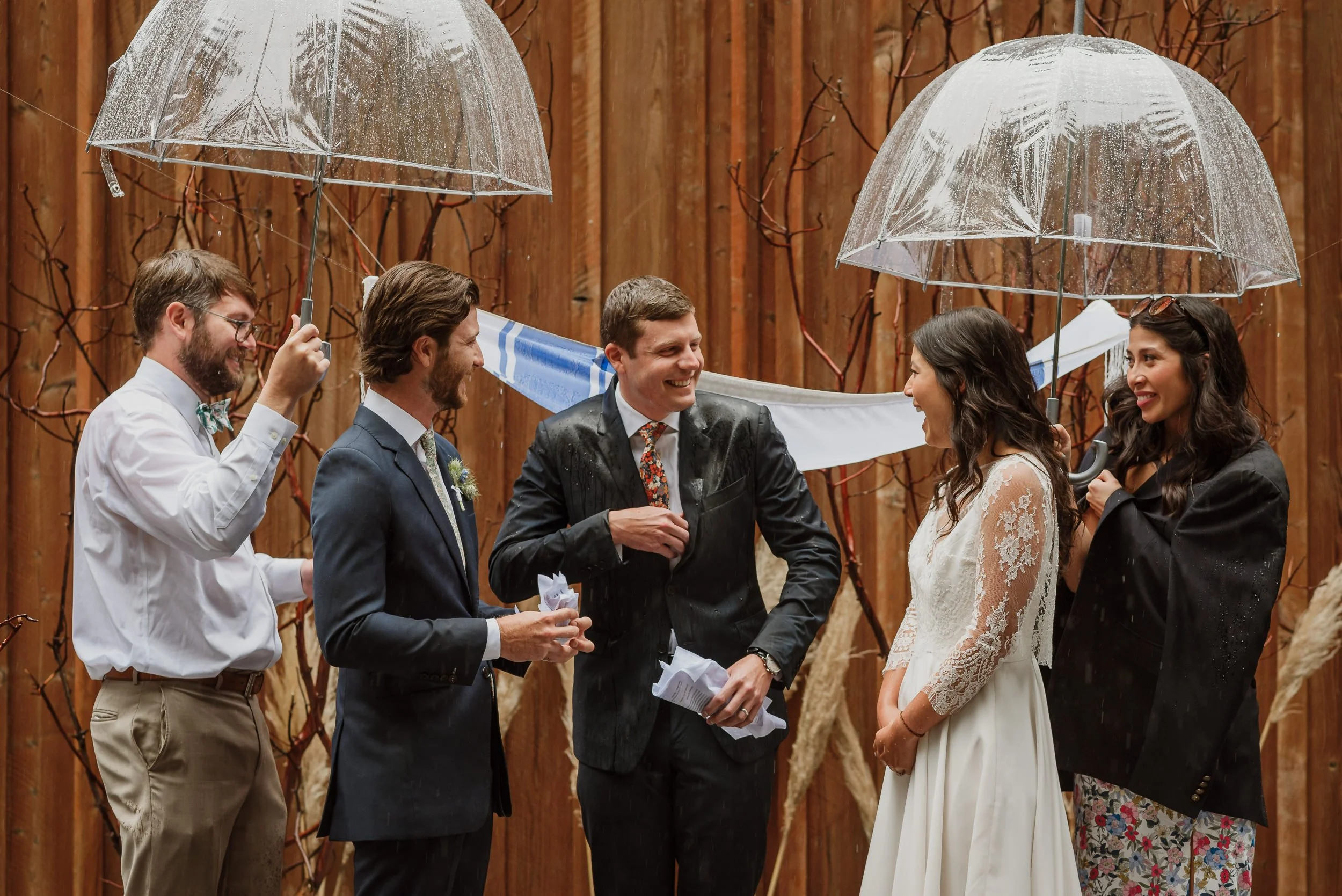
Every couple envisions a flawless wedding day filled with soft lighting, comfortable temperatures, and perfectly clear skies. However, nature does not always align with wedding timelines. While rain on your wedding day is traditionally considered a symbol of good luck and cleansing, it can introduce sudden logistical hurdles that threaten to derail outdoor ceremonies and elegant receptions if you are unprepared.
Professional wedding planners know that the secret to surviving a rainy wedding day does not lie in wishing the storm away. Instead, it relies on meticulous preparation, strategic vendor coordination, and a positive mindset. This comprehensive guide outlines professional strategies to transform a rainy forecast from a potential disaster into an unforgettable, atmospheric celebration.
Establishing a Plan B That You Actually Love
The most significant mistake a couple can make is treating their backup weather plan as an afterthought. A secondary option should never feel like a compromise or a disappointment.
Evaluating Venue Capabilities
When touring venues, always ask to see the rain contingency spaces before signing a contract. A venue with a beautiful outdoor garden but a cramped, poorly lit indoor backup room will cause unnecessary stress if the weather shifts. Look for venues that offer covered pavilions, indoor ballrooms with large windows, or permanent structural tents.
The Clear Tent Investment
If you are hosting a completely outdoor wedding on private property or a sprawling lawn, a tent is your primary line of defense.
-
Book Early: Do not wait until the week of the wedding to try to rent a tent. High-quality tents, flooring, and siding book up months in advance during peak wedding seasons.
-
Opt for Clear Tents: Clear-top tents protect your guests from the elements while allowing the natural surrounding landscape and stormy sky to serve as a dramatic backdrop.
-
Remember the Flooring: Heavy rain will quickly turn a grass lawn into mud. Budget for elevated subflooring or heavy-duty plastic walkways to protect long dresses and delicate footwear.
Logistical Adjustments for Guest Comfort and Safety
When weather conditions take a turn, prioritizing guest comfort ensures that the celebratory mood remains high despite the damp conditions.
The Welcome Station
Transform the entrance of your venue into a functional weather station. Set up a dedicated coat check area specifically designed to handle wet garments, heavy coats, and damp umbrellas.
-
Towels and Hair Dryers: Professional planners often stock the venue restrooms with stacks of small, dry hand towels, hairspray, and extra bobby pins so guests can quickly touch up their hair and clothing after running from their cars.
-
Warm Beverages: If the rain has brought a chill, swap out the pre-ceremony cold water station for a warm welcome station featuring hot apple cider, artisanal tea, or a hot cocoa bar.
Managing Transportation Timelines
Rain inevitably slows down traffic, complicates parking, and extends boarding times for shuttles. Adjust your master schedule to add a fifteen-to-twenty-minute buffer for all major transitions. If guests are driving themselves, ensure the venue parking attendants are equipped with large umbrellas to escort guests from their vehicles to the entrance doors.
Adapting Photography and Beauty Strategies
A rainy day can actually yield some of the most romantic, dramatic, and unique wedding photography possible, provided your creative team is prepared to pivot.
The Right Equipment and Lighting
Experienced wedding photographers view overcast skies as a giant natural light diffuser, eliminating harsh shadows and bright glare. Discuss a rainy-day photography plan with your shooter well in advance.
-
Clear and Matching Umbrellas: Purchase a dozen large, clear bubble umbrellas for the wedding party. Clear umbrellas allow light to hit your faces naturally and look incredibly cohesive in group portraits.
-
Scouting Interior Nooks: Before the rain starts, have your photographer scout the indoor venue for architectural interest, sweeping staircases, large covered porches, or dramatic entryways that can serve as alternative portrait locations.
Weatherproofing Your Look
High humidity and moisture require tactical adjustments from your beauty team. Airbrush makeup holds up significantly better against dampness than traditional liquid foundation. For hair, consider an elegant updo or a structured braid, as loose curls tend to fall flat or become frizzy when exposed to misty air. Work with your tailor to add a secure bustle to your gown, keeping the train completely off the wet ground during transit.
Vendor Coordination and Safety Protocols
Rain changes the operational parameters for almost every vendor on your team. Clear communication in the days leading up to the wedding is vital.
Audio and Electrical Safety
Water and electrical equipment are a dangerous combination. Your entertainment team (DJ or live band) will require a completely dry, covered space to operate. If your ceremony musicians are outdoors under a small awning, ensure their sound boards, amplifiers, and instruments are shielded from blowing mist or unexpected gusts of wind.
Catering Adjustments
If your caterer relies on an outdoor field kitchen or grilling station, they will need immediate shelter to keep the food dry and at safe serving temperatures. Ensure your venue coordinator coordinates tenting or indoor kitchen access for the culinary staff.
Rainy Wedding Day Vendor Check-In
The table below outlines the specific operational pivots required from each core vendor when the weather turns wet.
| Vendor Category | Standard Operation | Rainy Day Pivot |
| Photographer | Outdoor natural light portraits | Utilizing covered porches, indoor nooks, and clear umbrellas |
| Entertainment | Exposed outdoor sound setups | Relocating to covered stages; securing dry power sources |
| Hair and Makeup | Standard styling selections | Transitioning to updos, anti-humidity products, and airbrushing |
| Catering | Outdoor buffet or plating stations | Relocating service paths to indoor or fully tented corridors |
| Transportation | Strict arrival and departure times | Adding a 20-minute buffer for guest loading and traffic delays |
Frequently Asked Questions
When is the absolute deadline to make the final call on moving outdoors to indoors?
The final decision timeline depends entirely on your rentals and floral setups. Typically, the absolute deadline is four to five hours before the ceremony begins. This gives the floral team time to build arches indoors and allows the catering and rental staff to rearrange hundreds of chairs without rushing or risking damage to the decor.
How do we handle a stained wedding dress hem if it rains before the ceremony?
If your dress hem gets muddy during first-look photos, do not rub the spot with water, as this can spread the stain further into the fabric. Allow the mud to dry completely, then gently use a dry toothbrush or clean white towel to flake the dirt away. Most wedding planners carry chalk or baby powder in their emergency kits to dust over any remaining faint discoloration, rendering it invisible to the camera.
Will our outdoor floral installations survive heavy rain?
Most sturdy blooms like roses, hydrangeas, and carnations can handle light moisture, but heavy downpours can bruise delicate petals like sweet peas or peonies and make installations top-heavy. If you have a large floral arch outdoors, work with your florist to ensure it can be easily disassembled and moved indoors, or ask them to build it on a mobile frame from the start.
Is it necessary to buy rain boots for the entire wedding party?
While not mandatory, having a pair of chic, colorful, or classic hunter rain boots handy for the couple can make for incredibly fun and playful portrait sessions. It also allows you to walk through wet grass or puddles to get to prime photo locations without ruining your formal wedding shoes.
Should we offer refunds or modifications to guests who cannot travel due to severe storms?
While you are not financially responsible for weather-related travel disruptions, it is a kind gesture to keep a close eye on the local forecast and email your guests updates regarding road conditions, hotel valet options, or alternative indoor routes. Keeping your wedding website updated in real-time alleviates guest anxiety.
How can we keep the indoor reception space from smelling damp?
When a large group of people enters an enclosed space with wet clothes and umbrellas, the humidity rises quickly. Ask your venue manager to turn on the air conditioning or commercial dehumidifiers a few hours early to keep the air crisp. You can also place subtly scented, natural soy candles or reed diffusers near the entrance to introduce a warm, pleasant aroma that masks any damp outdoor smells.